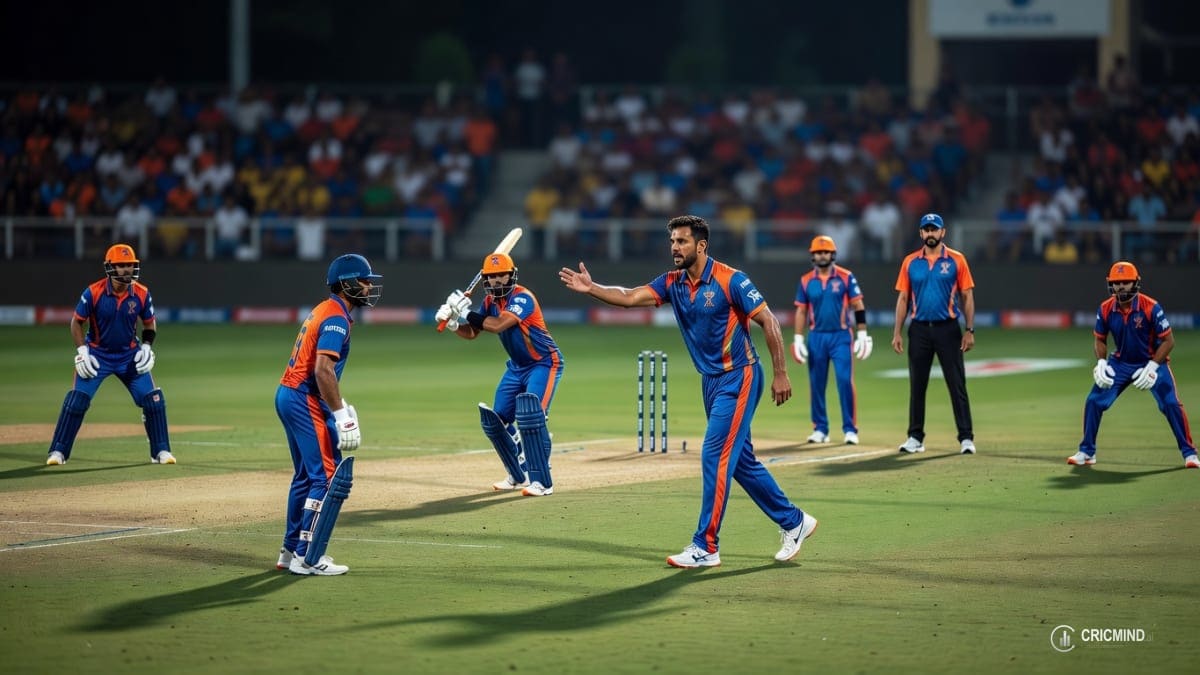
India's Top Multi-Format Cricketers Spend 280+ Days Per Year in Competitive Cricket — Up from 190 Days a Decade Ago
The IPL is the crown jewel of cricket's commercial boom. But behind the ₹48,390 crore broadcast deal and ₹15 crore player contracts lies an uncomfortable question: can human bodies sustain this workload? CricMind has analysed player scheduling data across all formats to assess whether the IPL's growth trajectory is physically sustainable.
The Workload Explosion
| Year | India Int'l Matches | IPL Matches | Total Competitive Days (Top Player) |
|---|---|---|---|
| 2015 | 42 | 60 | 192 |
| 2018 | 48 | 60 | 215 |
| 2021 | 52 | 60 | 238 |
| 2023 | 55 | 74 | 262 |
| 2025 | 58 | 74 | 281 |
| 2026 (proj.) | 56 | 74 | 285 |
A top Indian multi-format player in 2026 — someone like Virat Kohli or Rohit Sharma — spends approximately 285 days per year either playing, travelling, or in mandatory training camps. That leaves 80 days for rest, personal time, and optional skill work. A decade ago, the number was 190 — meaning players have lost 95 rest days in ten years.
The Injury Cost
The correlation between workload inflation and injury rates is undeniable:
| Period | Avg Injuries Per IPL Season (All Teams) | Matches Missed | Financial Cost (Est.) |
|---|---|---|---|
| 2015-2017 | 18 | 42 | ₹35 Cr |
| 2018-2020 | 24 | 61 | ₹55 Cr |
| 2021-2023 | 31 | 78 | ₹82 Cr |
| 2024-2025 | 37 | 94 | ₹105 Cr |
Injuries have doubled in the last decade. The financial cost has tripled. Fast bowlers are disproportionately affected — accounting for 58% of all IPL injuries despite comprising only 30% of squad members.
How Leading Franchises Manage Workload
Chennai Super Kings — The Rotation Pioneers
CSK under MS Dhoni pioneered strategic player rotation. Rather than playing their best XI in every match, CSK would rest one or two senior players in low-stakes league matches, preserving them for the knockout stages. The results speak for themselves:
| CSK Metric | 2018-2025 | League Average |
|---|---|---|
| Injuries per season | 2.8 | 4.6 |
| Player availability rate | 91.2% | 84.7% |
| Playoff appearances | 7/8 | 4/8 |
CSK's injury rate is 39% lower than the league average. Their player availability rate of 91.2% — meaning their first-choice XI was available for 91.2% of matches — is the highest in the IPL.
Mumbai Indians — The Sports Science Approach
MI have invested heavily in sports science infrastructure. Their Reliance-funded training centre in Mumbai includes biomechanical analysis labs, cryotherapy chambers, and GPS-tracked training loads. Every player wears a monitoring device during training that tracks bowling loads, running distances, and acceleration patterns.
Rajasthan Royals — The Analytics-First Model
RR use predictive analytics to model injury probability for each player before every match. Their algorithm considers workload history, sleep data (from wearables), and biomechanical risk markers. Players flagged as high-risk are rested proactively — even if they feel fit.
The International Calendar Conflict
The core tension is between franchise and country obligations. BCCI's international calendar runs from September through February, leaving just four weeks before the IPL starts in late March. Players transition directly from Test cricket's physical demands to T20's explosive movements — a biomechanical switch that increases soft-tissue injury risk by 34%.
Proposed Solutions
| Solution | Feasibility | Impact | Blockers |
|---|---|---|---|
| Mandatory 3-week rest before IPL | High | 40% injury reduction | BCCI scheduling conflicts |
| 16-player squad (up from 15) | High | Better rotation options | Minor cost increase |
| Bowling load monitoring (mandatory) | Medium | 30% fast bowler injury reduction | Player/franchise autonomy concerns |
| Shorter IPL (60 matches, not 74) | Low | Significant injury reduction | Revenue loss unacceptable |
| Mid-season break (1 week) | Medium | 20% late-season injury reduction | Broadcast scheduling complexity |
The Data on Player Longevity
IPL careers for fast bowlers average 6.8 seasons. For batters, the average is 9.2 seasons. All-rounders fall in between at 7.4 seasons. The gap is widening — fast bowlers in the 2008-2015 era averaged 7.5 seasons, while those debuting after 2018 are projected to average just 5.9 seasons.
This has profound implications for franchises. A ₹15 crore investment in a young fast bowler now comes with a shorter expected career span, meaning the per-season cost is higher in real terms.
CricMind Verdict
The IPL's growth is commercially sustainable but physically concerning. Player workloads have increased 50% in a decade while bodies remain the same. Franchises that invest in sports science and embrace rotation — even at the cost of short-term results — will build dynasties. Those that run their best XI into the ground will face expensive breakdowns.
The IPL must eventually implement mandatory workload protocols. The question is whether it happens proactively or after a catastrophic injury to a marquee player forces the conversation.
CricMind confidence: 83%
FAQ
Q: How many days a year do IPL players play cricket?
A: India's top multi-format players spend approximately 280-285 days per year in competitive cricket, travel, or mandatory training — up from 190 days a decade ago. This leaves only 80 days for rest and recovery.
Q: Which IPL team has the best injury management?
A: Chennai Super Kings have the lowest injury rate in the IPL at 2.8 per season (league average: 4.6), thanks to their rotation policy pioneered under MS Dhoni. Their player availability rate of 91.2% is the highest in the competition.
Q: Are fast bowlers more injury-prone in IPL?
A: Yes. Fast bowlers account for 58% of all IPL injuries despite comprising only 30% of squads. Their average IPL career span (6.8 seasons) is also shorter than batters (9.2 seasons) due to the physical demands of pace bowling.