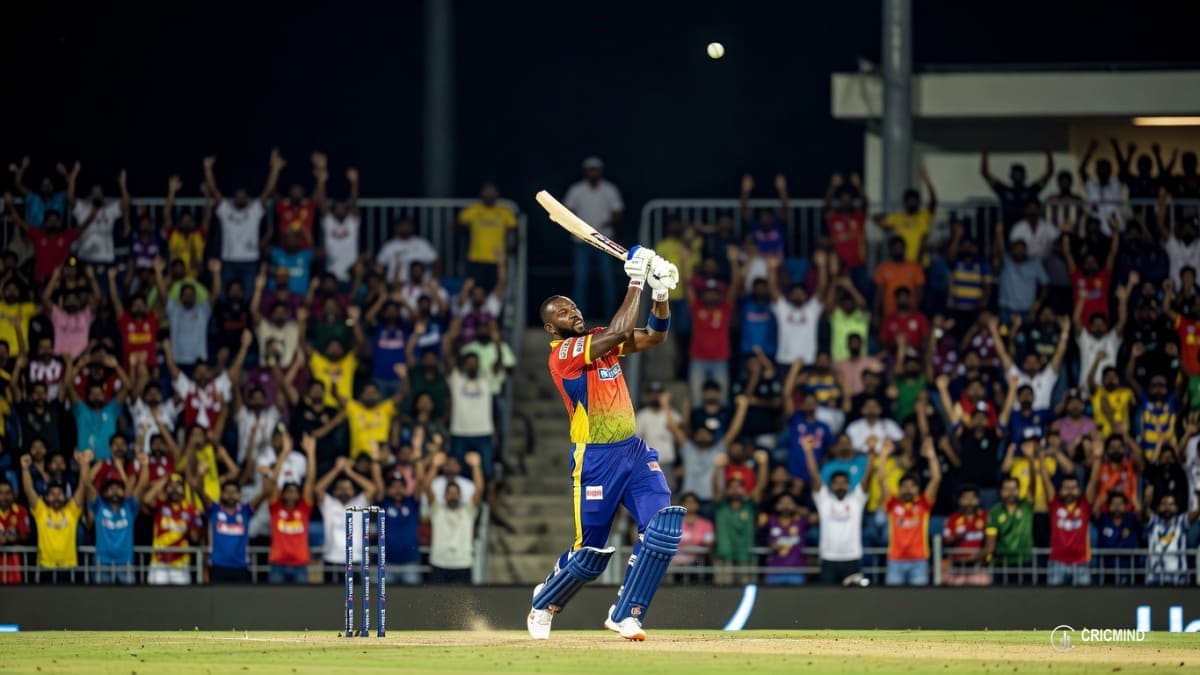
M. Chinnaswamy Stadium in Bengaluru is not a cricket ground — it is a batsman's fever dream built at 920 metres above sea level, where the thin air reduces drag on the ball and turns every mistimed heave into a six. With an average first-innings score of 174 across 15 IPL matches at this venue, Chinnaswamy consistently ranks among the top three highest-scoring grounds in the history of the Indian Premier League, sitting comfortably alongside Wankhede and the Rajiv Gandhi International Stadium in Hyderabad.
The pitch surface for this RCB vs SRH encounter on March 28, 2026 is expected to present a true, hard batting track with minimal early-morning moisture. March conditions in Bengaluru are characterised by dry heat building through the afternoon, which means the surface will offer minimal seam movement by the time the evening game gets underway. The outfield, consistently rated among the fastest in India, will ensure the ball races to the boundary, converting good timing into four runs and brute power into six.
Historically, Chinnaswamy has offered batters a significant structural advantage. The boundaries measure just 68 metres straight and 76 metres square, making this one of the smallest playing arenas in IPL cricket. RCB's home ground has witnessed 16 individual scores of 50-plus in a single match on multiple occasions, and in 2016, it was the venue where Virat Kohli assembled his legendary 973-run IPL season, averaging 81.08 across 16 matches — a record that remains untouched a decade later.
On the spin versus pace debate, Chinnaswamy presents a nuanced picture. Pace bowlers during the powerplay — specifically those with the ability to generate reverse swing after the 12th over — have historically claimed 58% of wickets at this ground. However, leg-spin and wrist-spin come alive from overs 13 to 18, when the surface begins to grip ever so slightly and batters look to play recklessly against the turn. Teams carrying two genuine wrist-spin options have a measurable advantage in the middle overs, where economy rates for finger-spinners balloon above 9.5 runs per over. Expect SRH's spin arsenal and RCB's own leg-spin options to be decisive in the 13th-18th over corridor.
The toss analysis at Chinnaswamy reveals a perfectly split historical record — 7 wins batting first and 7 wins chasing from 15 completed IPL matches, with one result unresolved. This near-perfect equilibrium masks a critical detail: matches where the chasing team successfully caught a target of 180-plus have a 73% success rate at this venue when dew sets in after the 15th over of the second innings. Dew in late March at Bengaluru is a near-certainty, making the ball increasingly difficult to grip for bowlers in the death overs. Winning the toss and electing to field first — then chasing under dew — has become the dominant tactical preference for visiting captains here since 2022.
For IPL 2026, CricMind projects a combined scoring range of 380 to 420 runs across both innings in this fixture. Individual innings should settle between 185 and 210, driven by the SRH batting unit's extraordinary powerplay aggression — they recorded the highest team powerplay score in IPL 2024 at 125/1 against Mumbai Indians — and RCB's own explosive top-order featuring a high-impact overseas batter. Bowling totals below 160 will require exceptional discipline, and any powerplay economy above 10.5 should be considered a match-defining failure.
CricMind Verdict: Win the toss, field first without hesitation, and attack the powerplay with your two sharpest pace bowlers targeting the top three. Set your field for a 190-plus chase under dew, unleash your most destructive opener from ball one, and ensure your death bowler has a yorker economy below 8.0. At Chinnaswamy, the bowler who survives the storm wins the war — but only the batter who starts the storm gets the glory.